.jpg)
Embracing Nature Transforming Spaces within your home with Polo Floors, Inc. & Polo Palm Paint, LLC.
- polofloors
- Apr 29
- 3 min read
Nature has a powerful effect on how we feel and function. Bringing elements of the natural world into our living and working environments can improve mood, increase productivity, and create a sense of calm. This idea lies at the heart of biophilic design, a growing trend that uses nature-inspired materials to transform spaces. By integrating textures, colors, and forms found in nature, designers create environments that connect us to the outdoors, even when we are inside.
This post explores the biophilia trend, focusing on how nature-inspired materials shape interiors and architecture. You will learn about the benefits of these materials, practical ways to incorporate them, and examples that showcase their impact through the MSI collections. ©MSI Quality At Its Best

What Is Biophilic Design?
Biophilic design is a concept that recognizes humans have an innate connection to nature. It aims to bring natural elements into built environments to improve well-being and comfort. This approach goes beyond simply adding plants; it involves using materials, patterns, and forms that evoke the natural world.
Nature-inspired materials are central to biophilic design. These include:
Wood with visible grain and texture
Stone with natural veining and irregularities
Natural fibers like jute, wool, and cotton
Clay and terracotta with earthy tones
Cork with its soft, warm surface
These materials create a tactile and visual link to nature, making spaces feel more inviting and grounded.

MSI Tawny Acoustic Wood Slat Wall Panel
Benefits of Using Nature-Inspired Materials
Incorporating natural materials into design offers several advantages:
Improved Well-being
Research shows that exposure to natural elements reduces stress and enhances mood. Materials like wood and stone have calming effects, helping occupants feel relaxed and focused.
Enhanced Air Quality
Natural materials often breathe better than synthetic ones. For example, cork and wool can regulate humidity, reducing indoor air pollutants and creating healthier environments.
Timeless Aesthetic
Nature-inspired materials age gracefully. Wood develops a rich patina, and stone gains character over time. This durability adds lasting beauty to interiors.
Sustainability
Many natural materials come from renewable sources and require less energy to produce than synthetic alternatives. Choosing responsibly harvested wood or recycled stone supports eco-friendly design.

"The MSI Girona Perla tile replicates the timeless beauty of natural shell stone on porcelain tile with warm white tones & intricate organic patterns".
How to Incorporate Nature-Inspired Materials in Your Space with MSI products
Integrating biophilic materials does not require a complete overhaul. Here are practical ways to bring nature indoors:
Flooring and Wall Coverings
Use floors with visible grain for warmth and texture.
Install stone tiles or slabs in kitchens and bathrooms for a natural look.
Colors inspired are soft sage greens, deep forest greens, warm terracotta, sandy neutrals, sky blues, & muted, warm grays creating a grounded, tranquil, & nurturing space.
Furniture and Fixtures
Choose wooden furniture with organic shapes and natural finishes.
Incorporate woven baskets or rugs made from jute or sisal for tactile interest.
Select lighting fixtures crafted from bamboo or rattan to add softness.
Decorative Elements
Display natural textiles such as wool throws or linen cushions.
Use ceramic or terracotta pots for plants to enhance the earthy feel.
Add stone or wood sculptures that reflect natural forms.
Architectural Details
Expose wooden beams or stone walls to highlight natural materials.
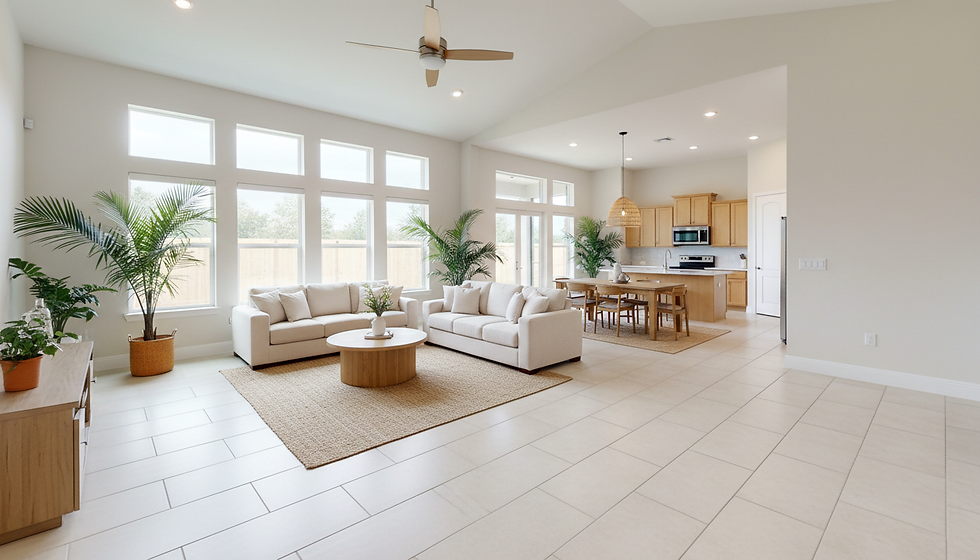
Use large windows or skylights to connect interiors with outdoor views.
Design with curved lines and irregular shapes inspired by nature.
Create a connection to the outdoors

Examples of Biophilic Design in Practice
Residential Spaces
MSI Braxton Blanca wood-look porcelain tile replicates the look of natural wood with creamy beige & white tones bringing an organic warmth to your home. Large windows frame views of surrounding trees, reinforcing the connection to nature. Natural fiber rugs and linen upholstery add softness and texture. Other areas as living rooms, bathrooms, bedrooms, etc. can have the organic look.

Choosing the Right Materials for Your Project
When selecting nature-inspired materials, consider these factors:
Source and Sustainability: Opt for materials harvested responsibly or recycled to reduce environmental impact.
Durability: Choose materials that withstand wear and age well in your specific setting.
Maintenance: Natural materials may require special care; understand cleaning and upkeep needs.
Aesthetic Compatibility: Ensure materials complement your design style and color palette.

"The MSI Zaria Greta Encaustic Tile is meticulously crafted with a pristine white background accented by an elegant blue & gray floral pattern for classic charm to be added to as an accent wall or backsplash".
Working with a knowledgeable designer or supplier can help you find the best options that balance beauty, function, and sustainability. For more information, visit our showroom at 3738 Avalon Park E. Blvd, Orlando, FL 32828 or give us a call at 407-988-3361. We are open M-F 9am to 6pm & Sat 9am to 5pm. Our email address is polofloors@yahoo.com


I hadn't really considered how much lighting can change the appearance of a textured wall until reading this. Shadows across raised or patterned surfaces can create a completely different effect throughout the day. That's one of the reasons a modern wall panel can be such an effective design element.